Service as Leadership: What Volunteering Has Taught Me About Showing Up
National Volunteer Week always arrives at the right time for me. Not because I need a reminder to volunteer, it’s woven into who I am, but because it invites me to slow down and actually reflect on why I keep showing up, year after year, across very different spaces and communities.
This year’s theme, “Ignite Volunteerism,” feels especially resonant. At a moment when systems are stretched and communities are navigating real complexity, volunteers are often the quiet infrastructure holding things together. And rebuilding that infrastructure thoughtfully and intentionally matters more than ever.
So this year, I want to share what service has actually taught me about leadership.
It started long before I had a title
Service didn’t begin for me in a formal volunteer role. It began at mosque.
As a child in my Ismaili Muslim community, volunteering was simply part of how we participated in community life. Helping with set-up and clean-up events, supporting activities, sitting with and helping seniors, and walking in the World Partnership Walkraising funds for global development. These weren’t extraordinary acts, they were expected, joyful, and formative.
I didn’t have a job title. I didn’t have a LinkedIn profile. I just had a sense and moral duty, absorbed from the adults around me, that you show up, you contribute and you take care of what’s needed in the community.
Later, that same spirit carried me into other spaces, volunteering at an animal rights advocacy office as a curious kid with a lot of energy and genuine conviction, and eventually into shelters and soup kitchens, sitting with people in their most vulnerable moments and being reminded, again, that leadership is fundamentally about how you show up for others.
Seva is not separate from who I am, it is who I am
Because service started at mosque, seva has never felt like something I added to my life. It is my life. I watched the adults around me give, not just their money, but their time, their knowledge, and their presence without expectation of recognition or return.
That ethic shaped everything I understand about leadership. We give because we are accountable to each other. And that accountability isn’t a burden. It’s a gift.
What board service and mentorship have taught me
Volunteering doesn’t always look like a soup kitchen. Some of the most meaningful service I do happens in boardrooms and one-on-one conversations.
Serving on boards has taught me how to hold complexity, how to ask hard questions, support an organization’s mission without overstepping, and contribute expertise in service of something bigger than yourself. It’s a masterclass in shared leadership and collective accountability.
Being a board mentor through Fora has deepened that further. Sitting with emerging leaders, particularly women stepping into governance for the first time, and watching their confidence expand is one of the genuine privileges of my professional life. Mentorship is leadership. It multiplies impact in ways that no single role ever can.
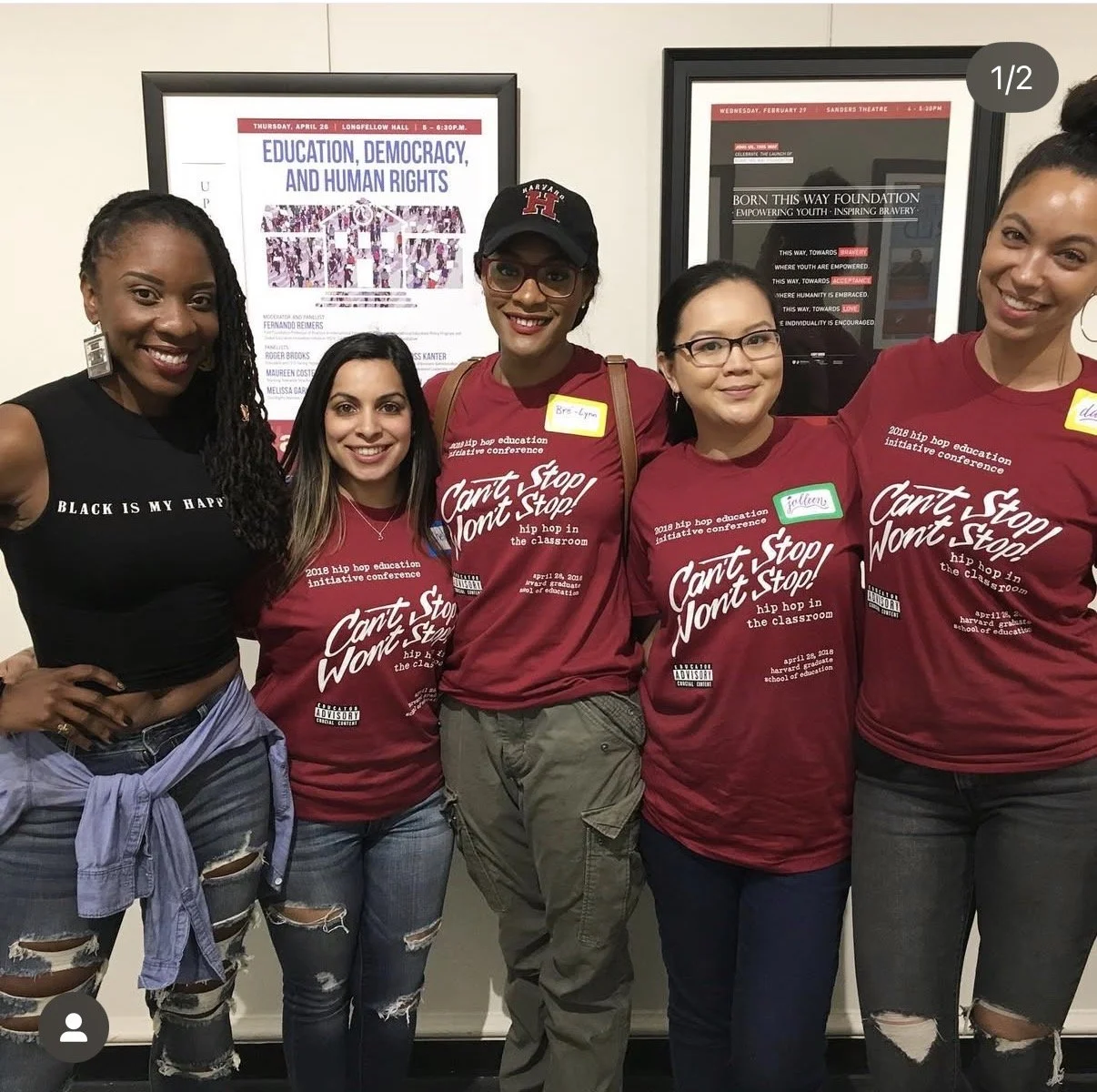
Serving on the Harvard Graduate School of Education Alumni Council and as Board Chair for Work in Culture have been more reminders that communities, when they function well, are acts of collective investment. We give back to something that shaped us because we believe it should be available to others, too.
Why I keep coming back to organizations like Volunteer Toronto
Partnerships with organizations like Volunteer Toronto and Civic Action have reinforced something I deeply believe: volunteer engagement done well is a culture strategy, not a recruitment tactic. When organizations invest in how volunteers are welcomed, supported, and valued, people stay. Communities grow. Belonging deepens.
That’s a workplace culture lesson as much as it is a community one.
What this means for leaders and professionals
If you’re a leader reading this, I want to offer something direct: your skills are needed in community.
You don’t have to wait until you’re retired or less busy (that season rarely comes). The governance experience, facilitation skills, strategic thinking, and relational intelligence you’ve built in your career are exactly what communities need. Boards need thoughtful voices. Mentees need your hard-won perspective. Organizations need people who understand how systems work and are willing to help build better ones.
Volunteering has made me a better leader. It has humbled me, stretched me, and kept me connected to what actually matters. It has given me relationships I couldn’t have predicted and a sense of purpose that no job title has ever fully provided.
This week, I’d encourage you to ask:
Where could my skills make a difference beyond my organization?
Is there a board, a mentorship program, or a community organization I’ve been meaning to connect with?
What does service look like in my community, and am I showing up for it?
The work of volunteering is ongoing, not just during National Volunteer Week, but every week. And the return is far greater than anything we give.
I’m grateful to everyone who shows up, quietly and consistently, for their communities. You are the infrastructure. 🙏🏽
Want to learn more? Listen to Season 3, Episode 19 of Curated Conversations the Podcast. “The Cost of Volunteerism with Faiza Venzant” explores who gets to volunteer, what it means to be able to give your time and resources to others, and at what cost!
Let Us Support You
Interested in building a culture of service and civic leadership within your organization? Curated Leadership works with leaders and organizations to develop inclusive, values-driven workplace cultures. Reach out athello@curatedleadership.comor visit curatedleadership.com to book a discovery call.