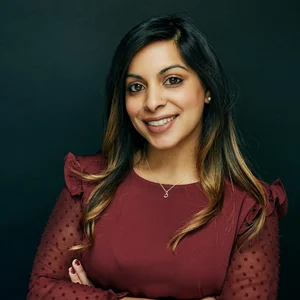
Rethinking Healthcare: A Conversation on Primary Care, Access, and Community
This World Health Day, Sheliza Jamal sat down with Jen Quinlan, our partner at Flemingdon Health Centre, to explore one of the most pressing challenges in Ontario today: access to primary care.
With millions of Ontarians still without a family doctor or nurse practitioner, new models are emerging to rethink how care is delivered, moving from fragmented systems to integrated, community-based approaches. Here are some highlights from their conversation.
Key Takeaways for World Health Day
Health Happens in Neighborhoods: Physical health is deeply tied to social factors like walkable streets, access to culturally relevant food, and stable housing.
The Power of the Team: Moving beyond a single doctor to a "primary care team" (including social workers and navigators) leads to better health outcomes and 24/7 support.
Trust is Built Locally: Being connected to a local primary care team increases a person's trust in the entire healthcare system from 30% to 70%.
Equitable Access is the Goal: New provincial investments are focused on "matchmaking" patients with providers who speak their language and live in their community to remove barriers for newcomers and vulnerable populations.
Community Care Saves Money: Providing holistic, preventative care in the community is far more cost-effective than relying on emergency departments for non-urgent issues.
Read highlights of the conversation below.
Sheliza Jamal: World Health Day is often about global systems, but locally, it comes down to trust. What does a "healthy neighborhood" look like in East Toronto?
Jen Quinlan: It’s actually about less than people think! While primary care is vital, a truly healthy neighborhood is walkable and transit-friendly. It has grocery stores with culturally specific foods, good jobs, stable housing, and high-performing schools. Health is more than healthcare; it’s about how we live every day.
Sheliza: We know 2 million Ontarians lack a family doctor. How is the new "team-based" approach changing that?
Jen: In East Toronto, we have a goal: 100% connection by 2029. We’ve created a network of organizations working together to match individuals with medical teams. Instead of individuals hunting for a doctor, we use a central intake model to make the best matches between community individuals and health care teams. If you live in East Toronto and prefer care in a particular language, we match you with a team that speaks your language and understands your neighborhood.
Sheliza: You mentioned "holistic care." What does that look like in practice?
Jen: Traditional care is often just a doctor's visit. A Primary Care Team includes nurse practitioners, social workers, and navigators. For example, a refugee family arriving in Thorncliffe Park doesn't just need a check-up; they might need help with dental care or finding a tutor for their kids. Our teams provide that "wraparound" care 365 days a year.
Sheliza: What are the biggest barriers preventing people, especially high needs populations, from accessing this?
Jen: Language is number one. System navigation is another; many people come from countries where you manage your own specialists. In Ontario, your primary care clinician is your "quarterback" who coordinates everything. Also, there's a huge misconception that you need an OHIP card to get help. At Community Health Centres, we encourage everyone to come in, regardless of their status.
Sheliza: What is your "big vision" for the future of Canadian healthcare?
Jen: The School Board Model. If you move across the city, you don't worry about finding a school; you know there’s one in your neighborhood. We want that same confidence for health. You move in to a new place, you get a "Welcome" in the mail, and you’re automatically enrolled in your local neighborhood health home. It’s a guarantee that’s worth the investment.
📺 Watch the full interview below or on our YouTube channel.
Want to learn more?
Email hello@curatedleadership.com to find out more or book a call!