Love, Language, and Leadership: Lessons from the Super Bowl Halftime Show
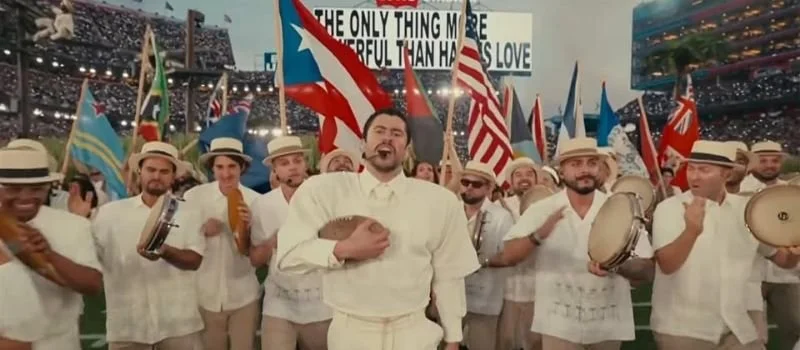
“THE ONLY THING MORE POWERFUL THAN HATE IS LOVE.”
That line hit different at this year’s Super Bowl halftime show.
Bad Bunny’s performance wasn’t just entertainment but a cultural milestone. As the first solo artist to perform almost entirely in Spanish on the Super Bowl stage, he didn’t just entertain millions but rather claimed space for Latin identity on the grandest stage of an American game. Through language, symbolism, and pride, he didn’t just perform, demonstrated how representation, cultural pride, and voice shapes identity.
Here’s what made it so significant:
📣 1) Representation on the Biggest Stage
Bad Bunny performed primarily in Spanish. That choice is a powerful counter-narrative to the idea that success here means assimilation. Representation isn’t just about visibility but rather about voice, power, and belonging.
🌎 2) Celebrating a Multi-Faceted Identity
In a moment his only English words were “God bless America,” followed by naming North, Central, and South American countries one by one, Bad Bunny redefined “America” not as a monolith but as a hemisphere of cultures and languages. That’s a statement about belonging and not exclusion.
⚖️ 3) Cultural Pride Amid Political Tension
In a climate where immigration and identity are constantly politicized, this was a beautiful example of joy and cultural pride as an act of resilience. It’s a reminder that belonging is never neutral and needs to be intentional.
This moment holds valuable lessons for us all:
🎤Diversity isn’t only about presence, it’s about voice.
📣 Representation changes both perception and possibility.
🤝🏽Inclusion isn’t assimilation. It’s expanding the mold so people don’t have to mask, code-switch, or shrink to be seen as leaders.
Bad Bunny reminded millions that language, culture, and identity are not barriers. These parts of individuals are assets. And that message matters on the field, in our workplaces and in our communities.
Let Us Support You
Interested in learning more? Read the rest of our blogs, listen to episodes of our Podcast, Curated Conversations, or book a call to find out how we can help you create a more inclusive workplace culture!