We Read the Stanford Study on AI Hiring So You Don’t Have To: What HR Teams Need to Know About Algorithmic Monocultures
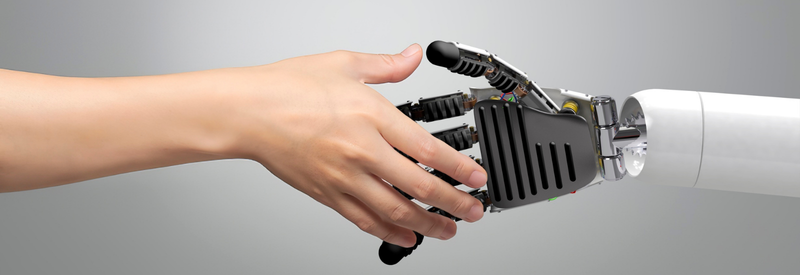
AI in hiring is often sold as a way to make talent decisions faster, more consistent, and more objective. But a new Stanford-led study shows us that when many employers rely on the same hiring vendor, the result can be something far less helpful: an algorithmic monoculture, where the same people get recommended again and again, and the same people get rejected again and again.
The researchers analyzed ~4.1million applications from ~3.3million applicants across 1,746 positions at 156 employers. They found that this shared dependence on one system created both racial disparities and repeated rejection patterns across the hiring process.
Finding 1: Bias in AI vendors exists to create adverse impact against Black and Asian applicants.
Essentially, AI screening can produce harm even when demographic information is not explicitly used in the application. Here are some data from the study’s findings:
10.62% of positions showed adverse impact against Black applicants
This adverse impacts affects 30.70% of Black applicants and 25.87% of their applications
5.32% of positions showed adverse impact on Asian applicants, affecting 18.53% of Asian applicants and 14.74% of their applications.
What does this mean: For some positions, the AI hiring tool is less likely to recommend Black and Asian applicants to certain positions, usually leadership level positions. The paper also notes that these disparities appeared even though the vendor aimed to reduce bias during model training and the assessments themselves were game-based rather than resume-based.
Finding 2: Monoculture algorithms are creating system rejections for applicants regardless of the application.
Traditionally, applicants would send their resumes directly to HR departments and humans would filter through the applications to find appropriate experience and education that match current vacancies. Companies would make their own hiring decisions. Now, these companies are all most likely using the same AI tools and there’s a high chance they are all using the same AI vendors.
This is creating what the study is calling systemic rejection. The researchers found that 4% of applicants who applied to 10 positions were recommended for rejection from all of them.
How does it work? “Many employers procure hiring algorithms from the same third-party vendors. Over 60% of the Fortune 100 use HireVue's algorithms.” Once an applicant submits their resume, companies send those applications to a third-party vendor. The vendor uses AI to assess these applications, makes predictions and labels the application as “recommend” or “do not recommend”. In other words, if the same algorithm keeps seeing the same applicant across different roles, it can create a repeatable pattern of exclusion and rejection. What’s even more surprising is that an applicant's score is kept on file for 330 days!
When organizations increasingly depend on the same, few AI systems, hiring decisions become less diverse. Instead of many perspectives shaping talent decisions, an algorithmic monoculture begins influencing who gets opportunities across entire industries.
In other words, AI can make hiring more efficient, but it can also make hiring more uniform.
What HR Leaders Should Do Next
The Stanford researchers do not argue that organizations should abandon AI. Rather, they argue for safeguards that reduce monoculture risk and preserve diversity in decision-making.
1. Keep Humans in the Loop : AI should inform decisions, not make them independently.
Recruiters and managers should retain meaningful authority to challenge algorithmic recommendations. In fact, find time for humans to screen applications.
2. Avoid Over-Reliance on One System: Using a single AI tool across the entire talent lifecycle increases risk of algorithmic bias and monoculture.
Organizations should diversify assessment methods and decision-making approaches. Find out who your vendors are and shop around to make diverse choices.
3. Audit for Equity: Regularly review hiring, promotion, and performance outcomes.
Ask:
Who is advancing?
Who is being screened out?
Are patterns emerging across race, gender, disability, or other identities?
4. Value Multiple Definitions of Talent: AI often performs best when measuring what is easily quantifiable.
Leadership, empathy, creativity, resilience, community-building, and cultural intelligence are harder to measure but remain critical workplace competencies. Organizations should ensure these qualities remain part of talent decisions.
5. Build Diverse Decision-Making Structures: One of the strongest protections against monoculture is diversity.
Inclusive hiring panels, cross-functional promotion committees, mentorship programs, and sponsorship initiatives help counterbalance automated systems.
6. Demand Transparency from Vendors
Organizations should understand:
What data was used to train the system?
How is bias assessed?
What auditing processes exist?
How often is the model evaluated?
If vendors cannot answer these questions, leaders should proceed cautiously and pivot to traditional methods of hiring.
The Bottom Line
The Stanford research is not a warning against artificial intelligence. It is a warning against sameness.
Organizations that value workplace culture, employee engagement, employee retention, and inclusive leadership, understand that the goal is to ensure technology supports human judgment rather than replacing it.
Let Us Support You
Curious as to how your organization can be supported by AI rather than controlled by it? Curated Leadership helps you understand how to build sustainable diverse perspectives, thoughtful decision-making, and systems that recognize talent in all its forms. Book a call or send as an email to learn more.